Training With an Old Injury: Why That Pain Keeps Coming Back
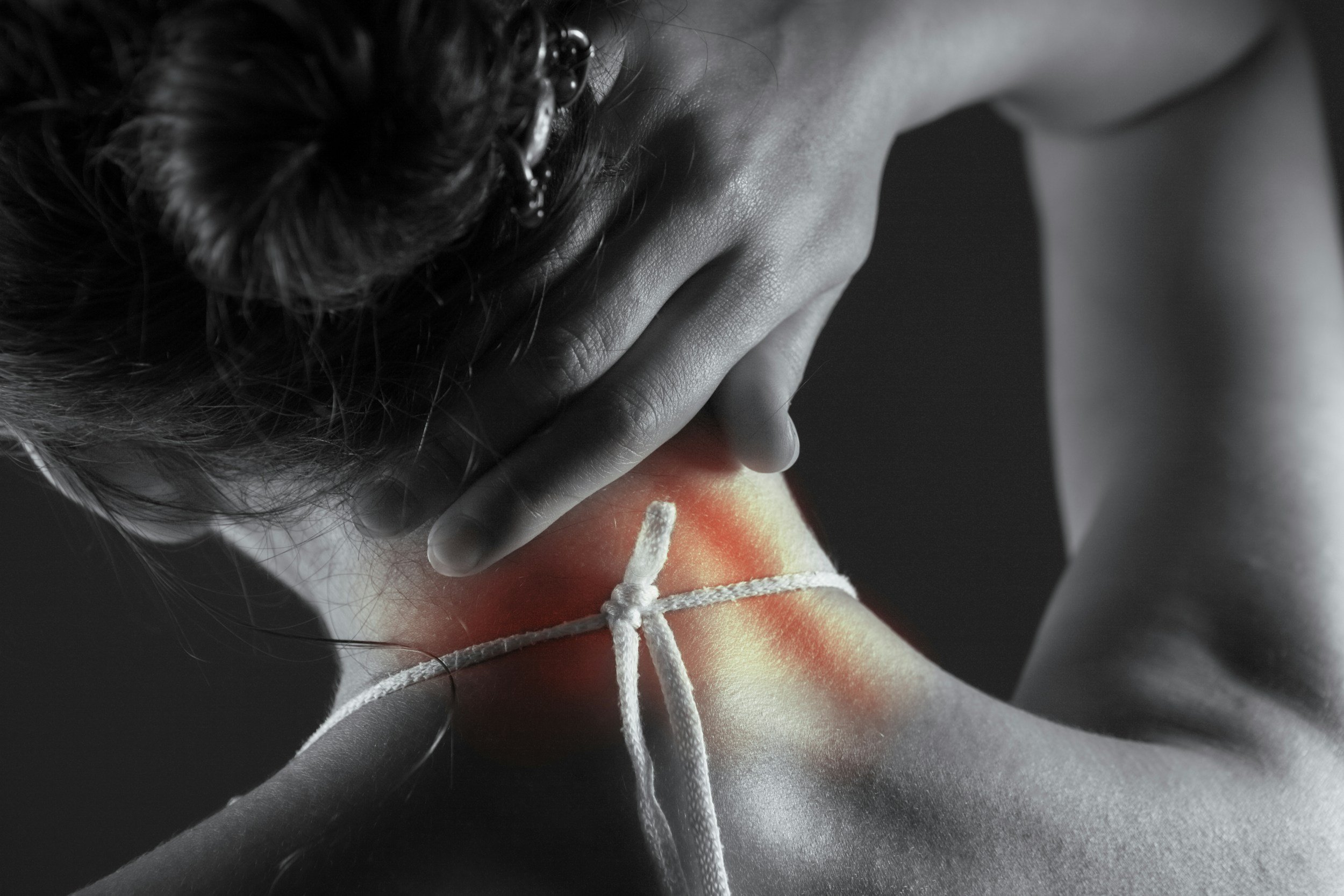
Photo by Sasun Bughdaryan on Unsplash
One of the most frustrating experiences for active adults is feeling pain return from an old injury just as they start to feel motivated again. You may have injured your knee years ago, dealt with a shoulder issue in the past, or had an episode of low back pain that eventually “went away.” Then, as soon as you increase your activity level, the pain resurfaces.
This isn’t bad luck. It’s usually a sign that the injury has healed, but the movement pattern never fully recovered.
When an injury occurs, the body adapts to protect itself. Muscles tighten, movement changes, and compensations develop to avoid pain. Even after symptoms resolve, those compensations often remain. As long as activity levels stay low, they may go unnoticed. Once training intensity increases, however, those same patterns can overload tissues and trigger pain again.
For example, an old knee injury may lead to reduced hip strength or ankle mobility. During squats, lunges, or running, the knee then absorbs forces that should be shared by other joints. A previous shoulder injury may limit overhead mobility, forcing surrounding muscles to work harder during pressing or pulling movements. In the low back, limited hip motion often causes the spine to move excessively under load.
Many people respond by trying to “push through” the pain or avoiding certain exercises altogether. Neither approach solves the problem. Pushing through pain reinforces faulty movement patterns, while avoiding activity can lead to further deconditioning and frustration.
Physical therapy helps by identifying what has never fully healed. A thorough orthopedic assessment examines joint mobility, muscle strength, coordination, and how your body moves during real-life activities and workouts. The goal isn’t just pain relief—it’s restoring efficient movement.
Treatment includes manual therapy to improve joint and soft tissue mobility, corrective exercises to address strength imbalances, and movement retraining to reduce stress on vulnerable areas. This allows many people to continue exercising safely while resolving the root cause of recurring pain.
One of the biggest misconceptions is that old injuries mean permanent limitations. In reality, many recurring issues improve once the underlying movement problem is addressed. Pain that keeps coming back is usually your body asking for a better solution—not less activity.
If the same knee, shoulder, or back pain returns every time you increase your workouts, it’s not something you should ignore. Addressing it now can prevent chronic symptoms and allow you to train with confidence moving forward.
PAR 5 Physical Therapy in Randolph, NJ specializes in helping active individuals throughout Morris County get back to exercising and working out pain-free—without taking time off, relying on injections, or using pain medication. PAR 5 Physical Therapy offers one-on-one physical therapy and performance services for all populations, with specialties in Orthopedics, Manual Therapy Techniques, Golf Fitness Training and Rehab, and Wellness Services.
If you have questions about pain, injuries, or movement—big or small—call or text 973-490-4955 to speak directly with a physical therapist.