Why Your Muscles Feel Tight and Achy When You Work Out—and How Physical Therapy Helps
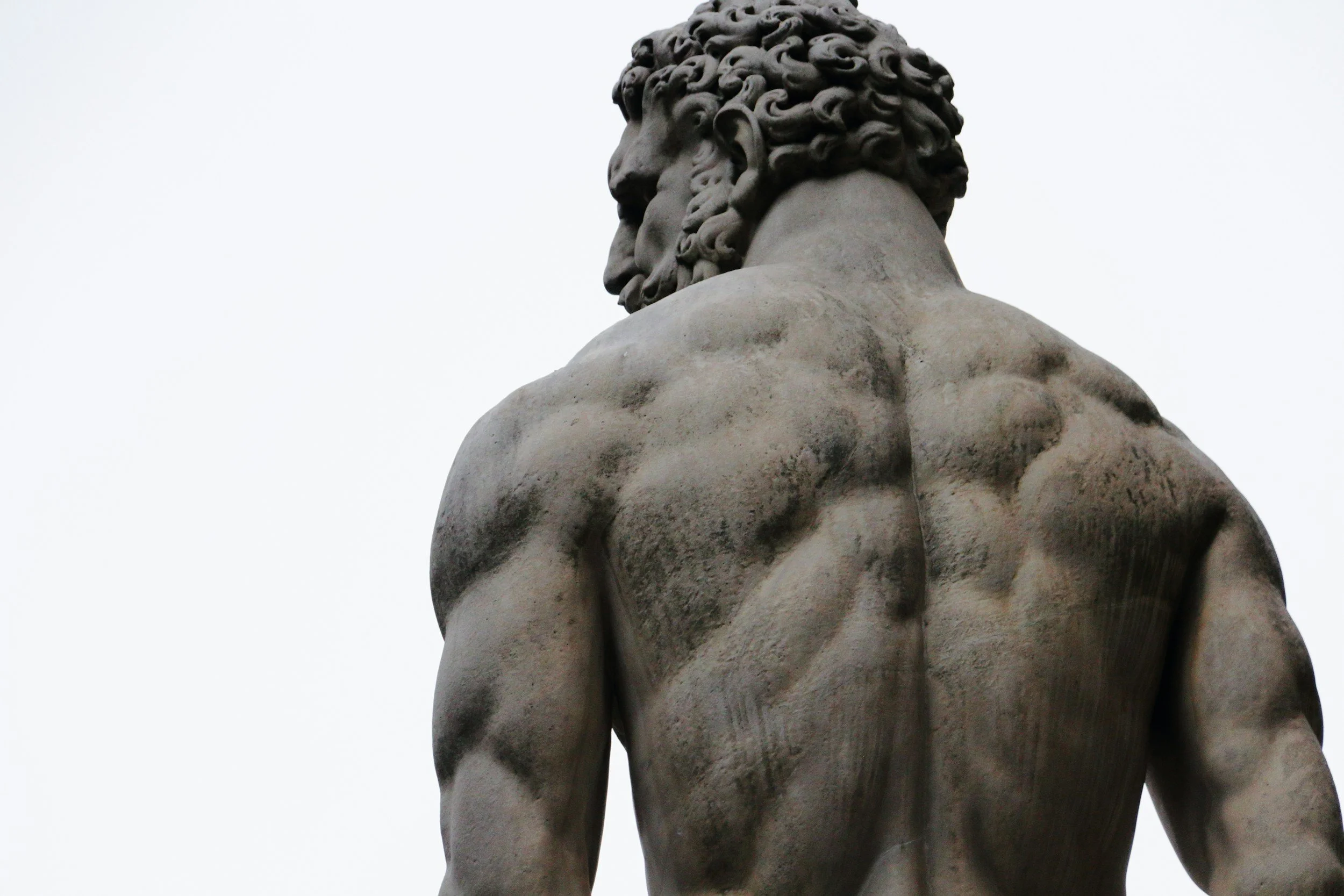
Photo by Simone Pellegrini on Unsplash
Many people assume that feeling tight and achy after workouts is just part of exercising. Foam rolling, stretching, and massage guns become daily rituals, yet the tightness always seems to come back. If this sounds familiar, the issue may not be your muscles at all—it may be how your body is moving.
Muscle tightness is often a protective response. When joints don’t move well, or certain muscles aren’t doing their job, other muscles step in to create stability. Over time, those muscles become overworked, fatigued, and “tight.” Stretching can temporarily reduce the sensation, but it rarely fixes the underlying cause.
For example, tight hamstrings are often blamed for low back pain, but in many cases the hamstrings are working overtime to compensate for weak glutes or limited hip mobility. Similarly, chronically tight upper traps are frequently a result of poor shoulder mechanics or limited thoracic spine mobility—not a need for more stretching.
This is where physical therapy plays a critical role. Instead of chasing tight muscles, physical therapy looks at why those muscles are overworking in the first place. A comprehensive evaluation examines joint mobility, muscle activation patterns, posture, and movement during exercise. Once the root cause is identified, treatment becomes far more effective.
Manual therapy techniques such as joint mobilization, instrument-assisted soft tissue work, cupping, and dry needling can help reduce excessive muscle tone and restore proper motion. However, manual therapy alone isn’t the solution. Corrective exercises retrain the body to move efficiently so the same muscles aren’t constantly overloading again.
Another common misconception is that soreness always equals progress. While mild soreness can be normal, persistent tightness, asymmetrical soreness, or discomfort that worsens with training often indicates a problem. Left unaddressed, this pattern can eventually lead to tendon pain, joint irritation, or injury.
If you feel like you’re constantly stretching but never truly loosening up, your body is likely compensating for something else. Addressing movement quality—not just symptoms—allows workouts to feel better, recovery to improve, and performance to increase without constant discomfort.
PAR 5 Physical Therapy in Randolph, NJ specializes in helping active individuals throughout Morris County get back to exercising and working out pain-free—without taking time off, relying on injections, or using pain medication. PAR 5 Physical Therapy offers one-on-one physical therapy and performance services for all populations, with specialties in Orthopedics, Manual Therapy Techniques, Golf Fitness Training and Rehab, and Wellness Services.
If you have questions about pain, injuries, or movement—big or small—call or text 973-490-4955 to speak directly with a physical therapist.